
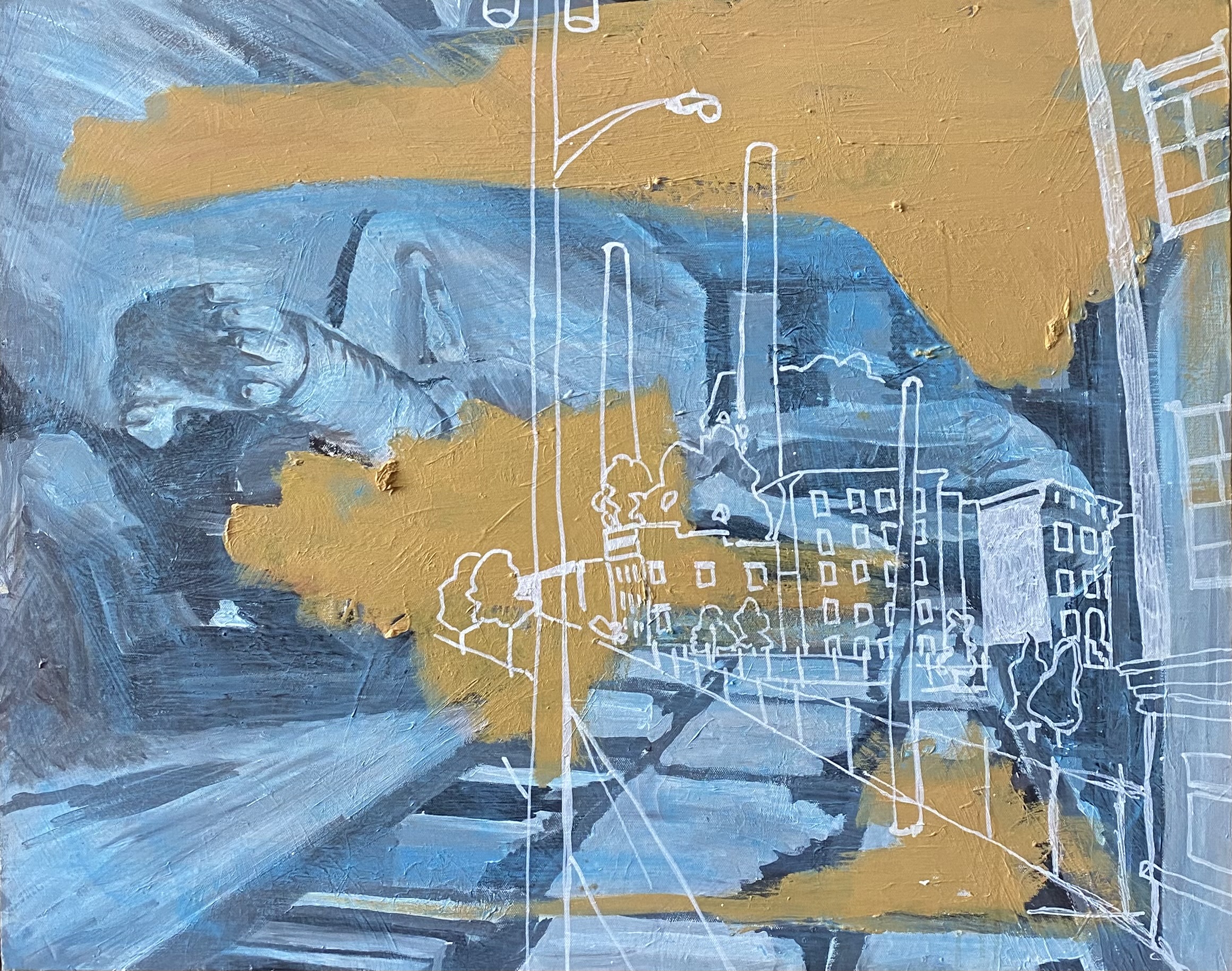
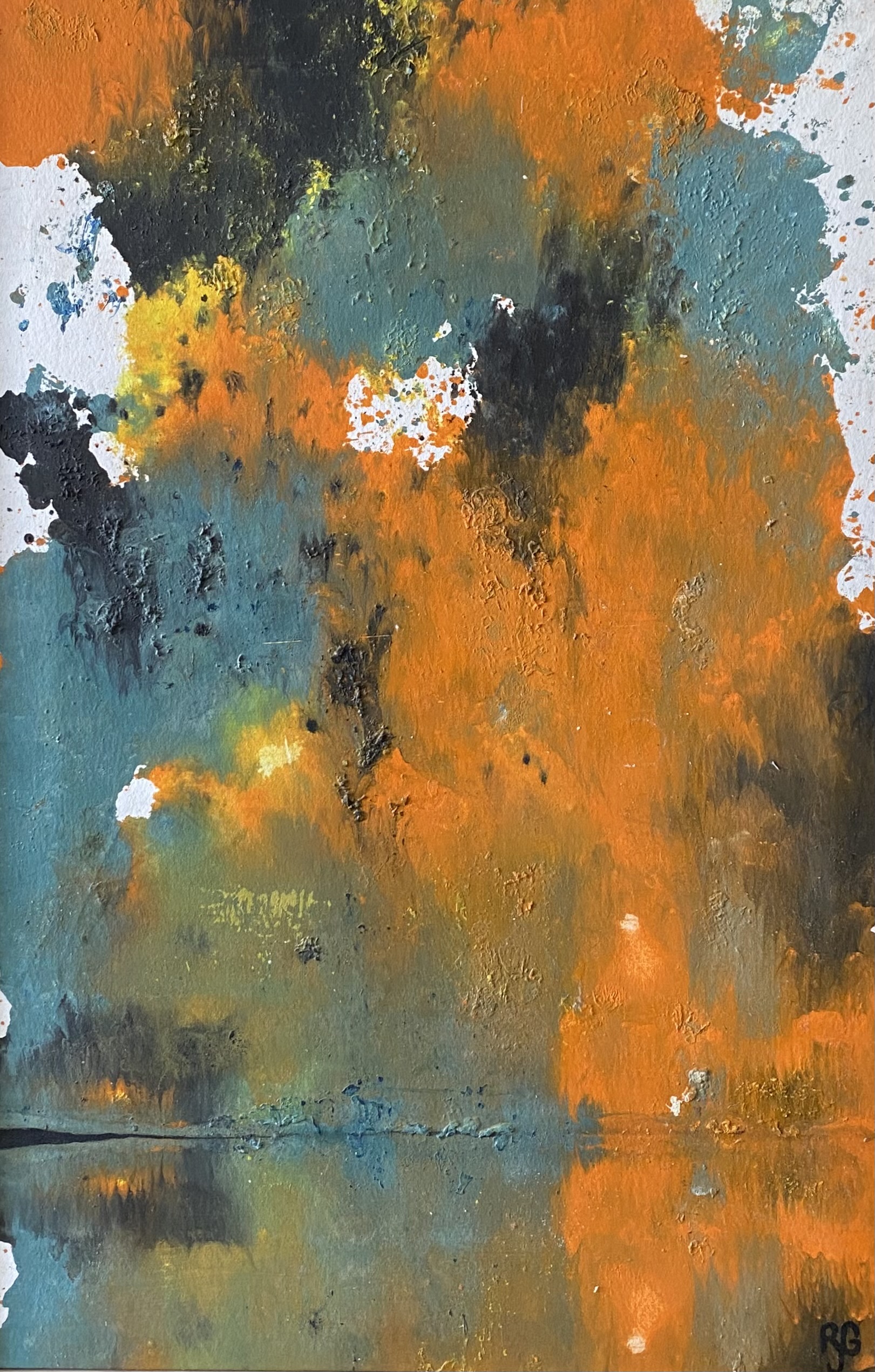
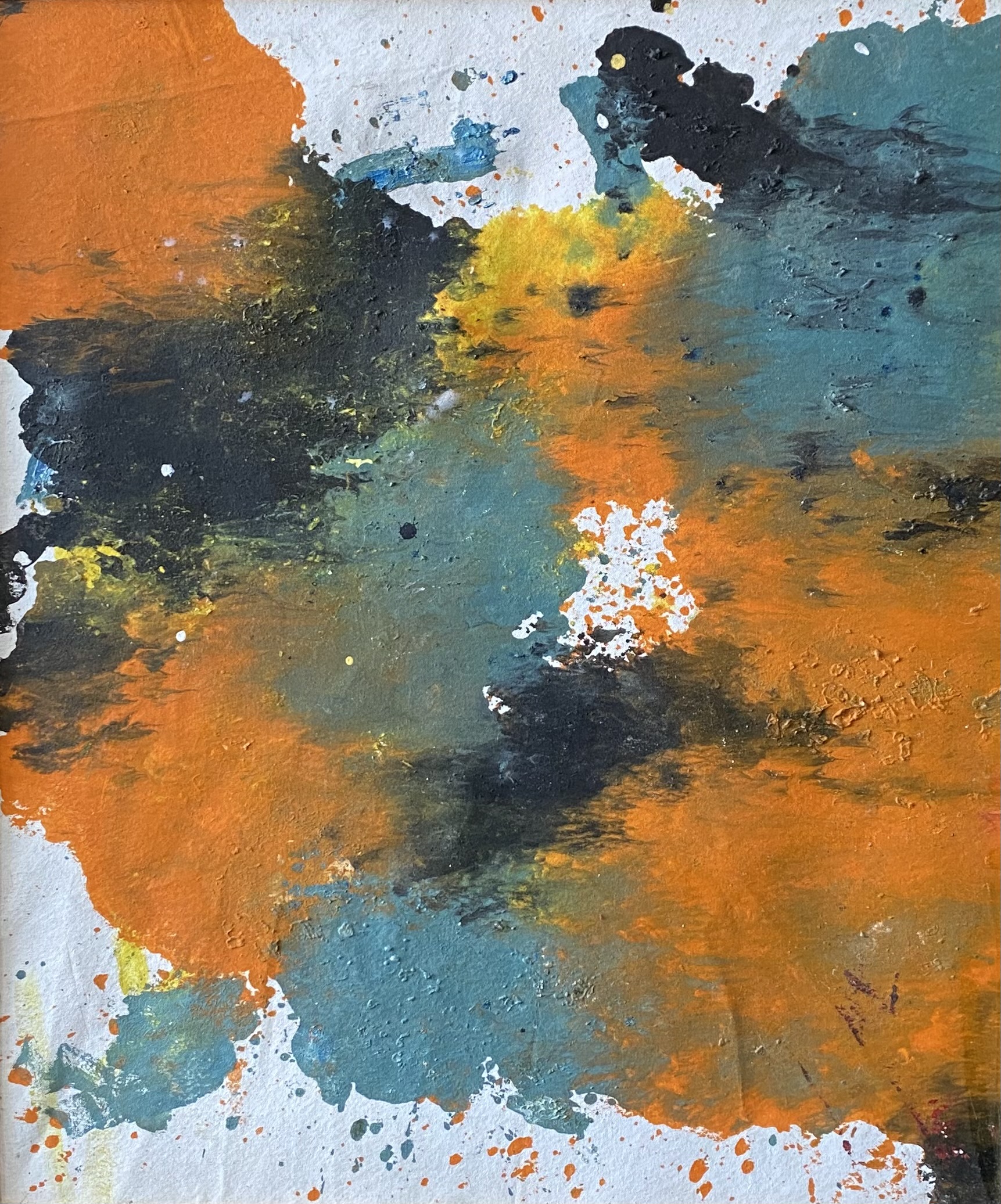
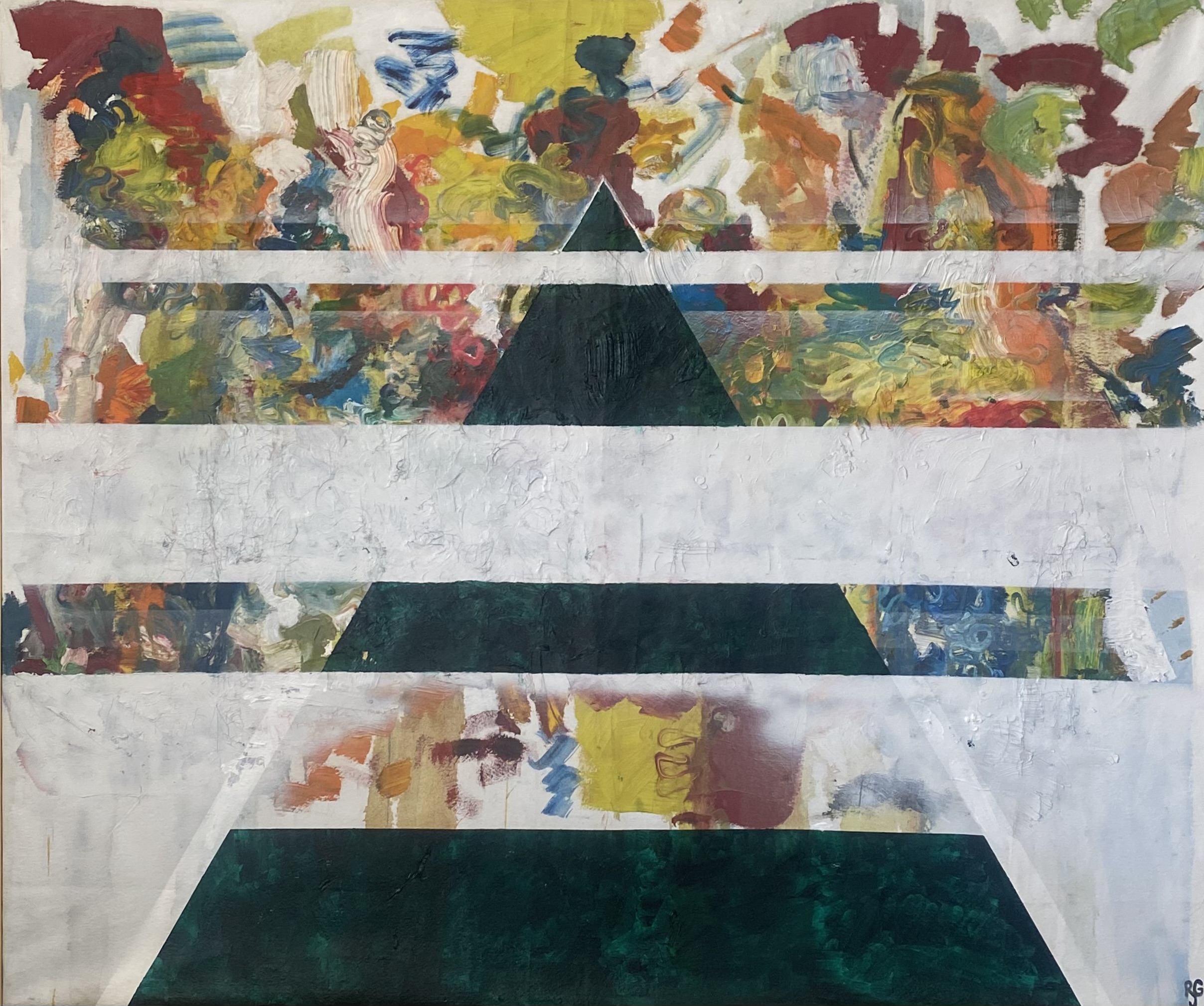
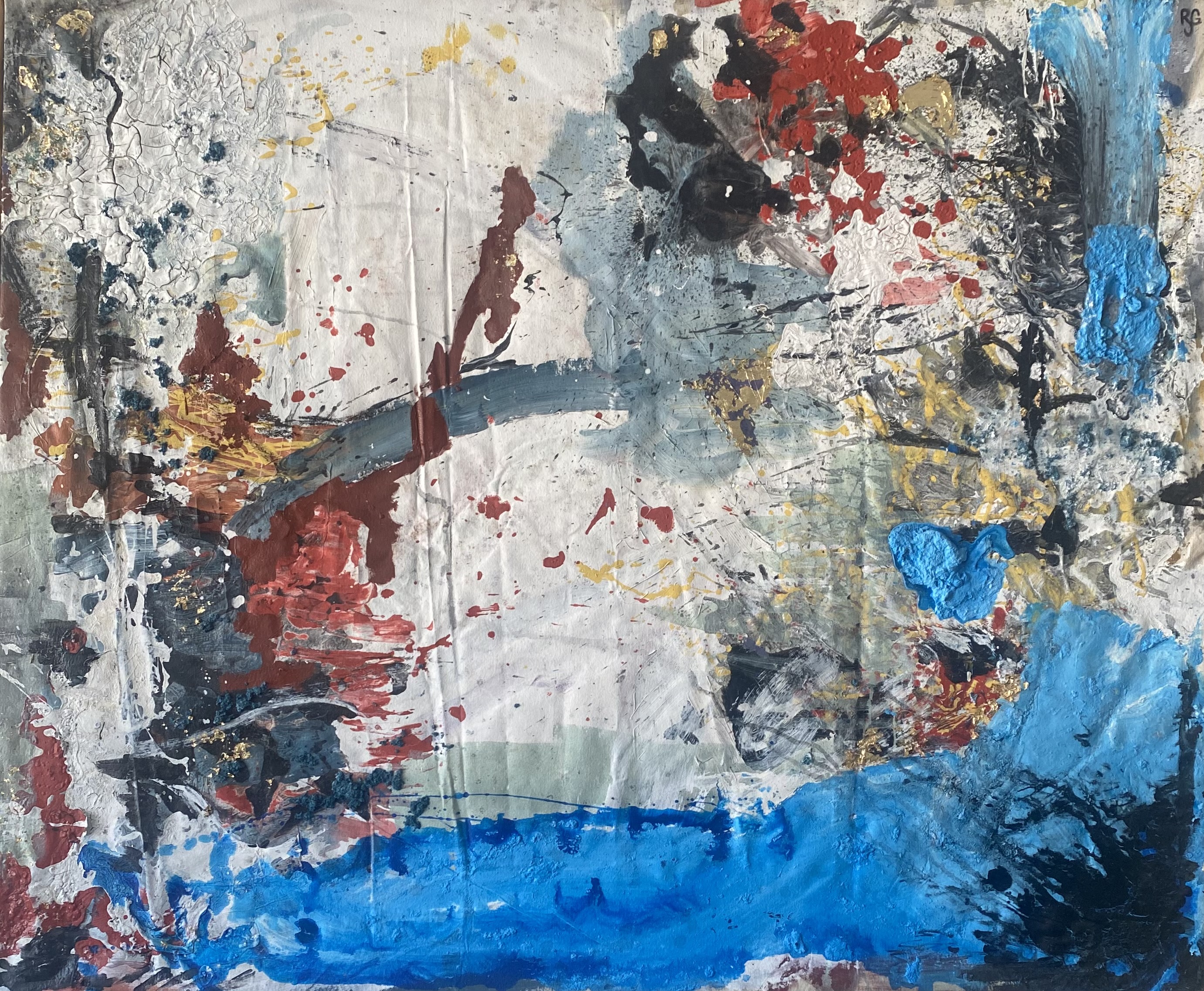
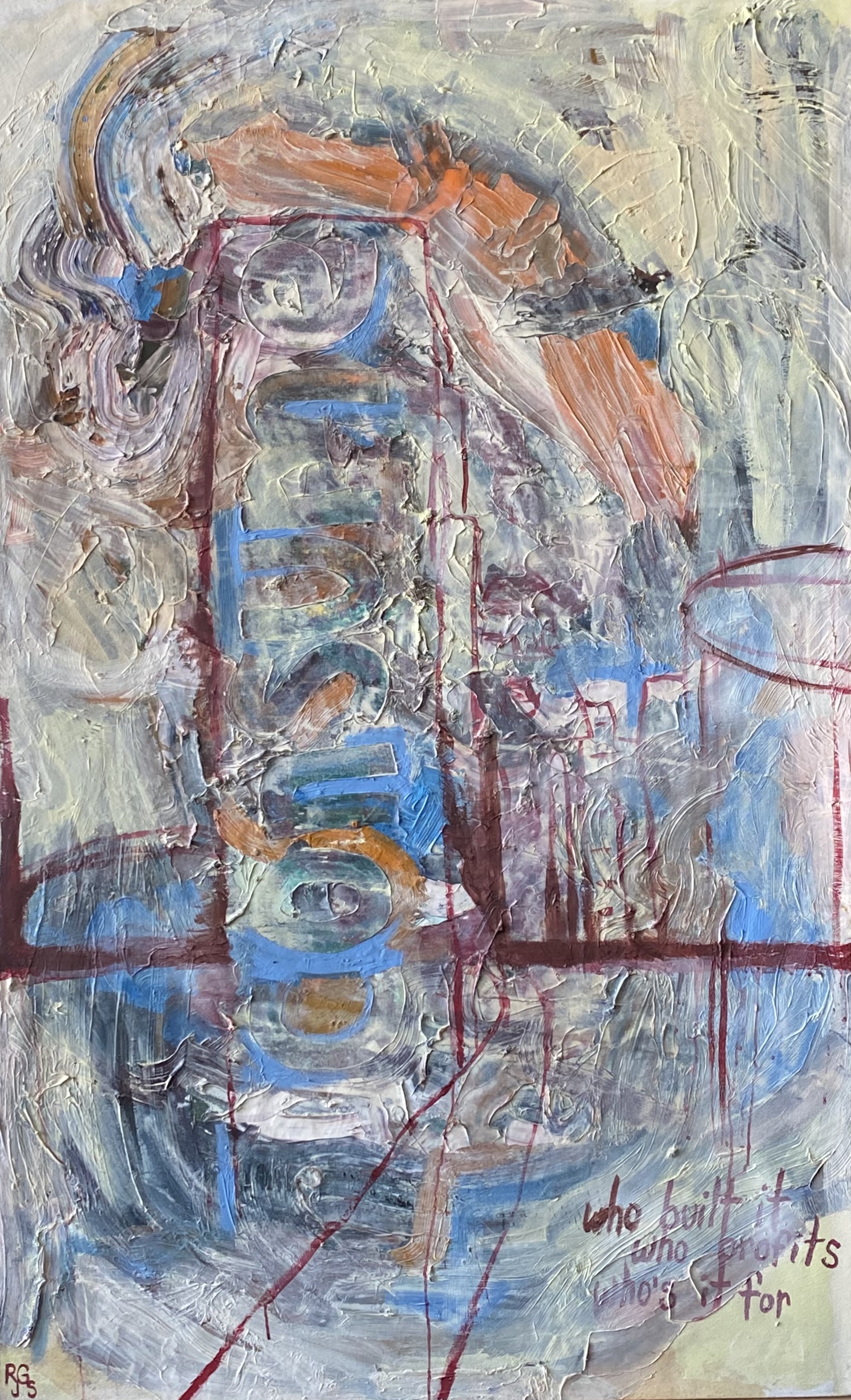
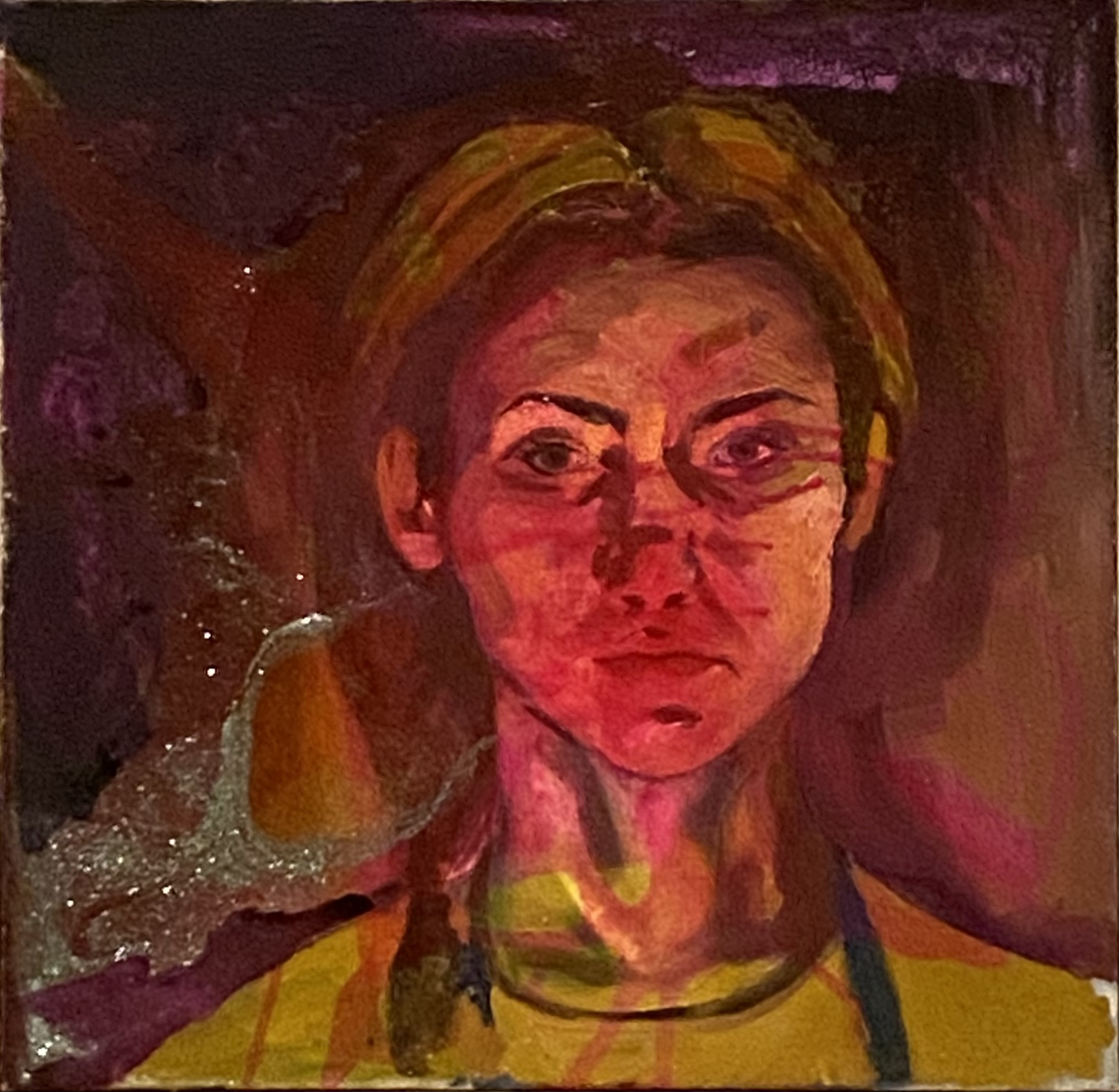
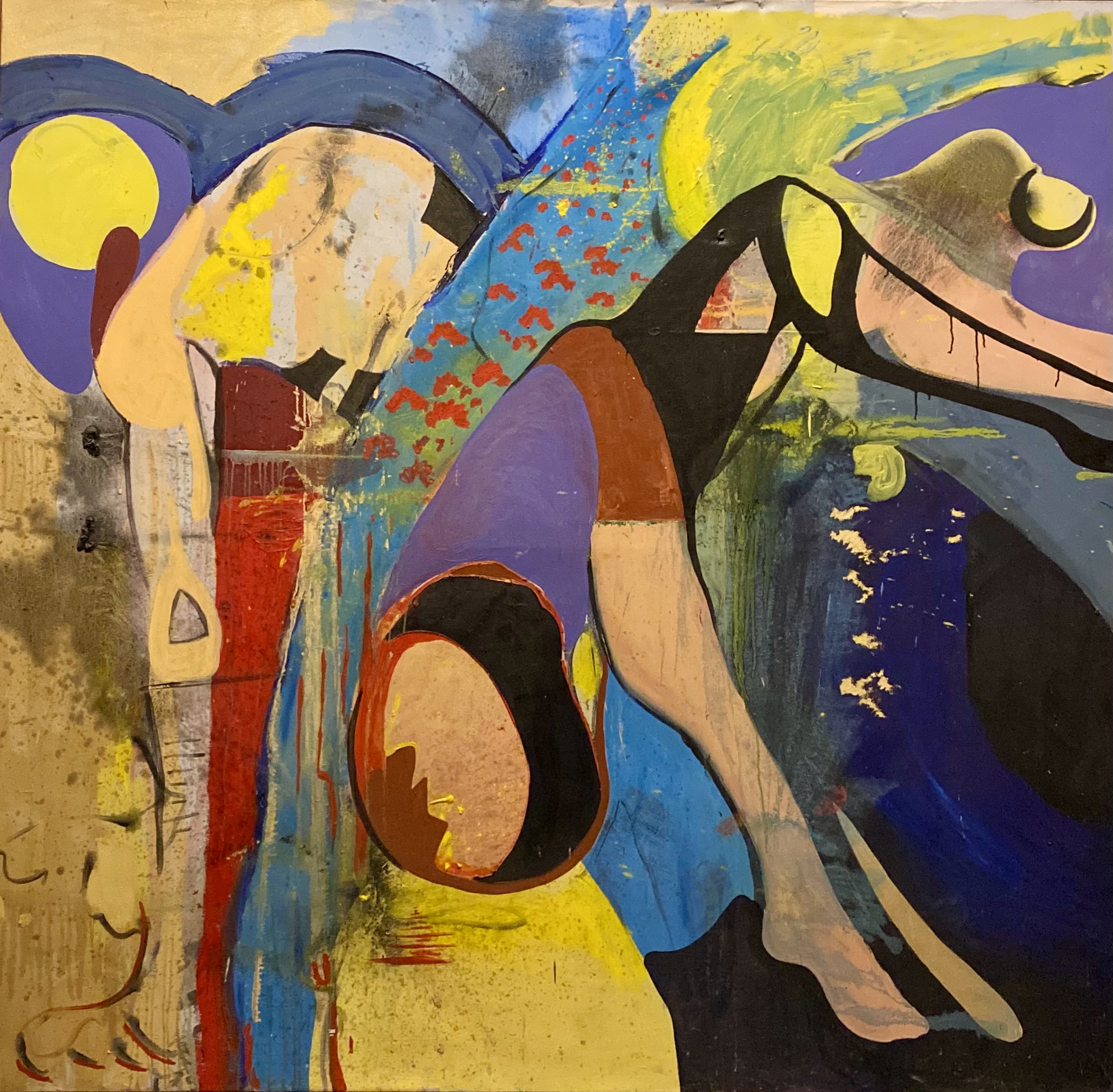
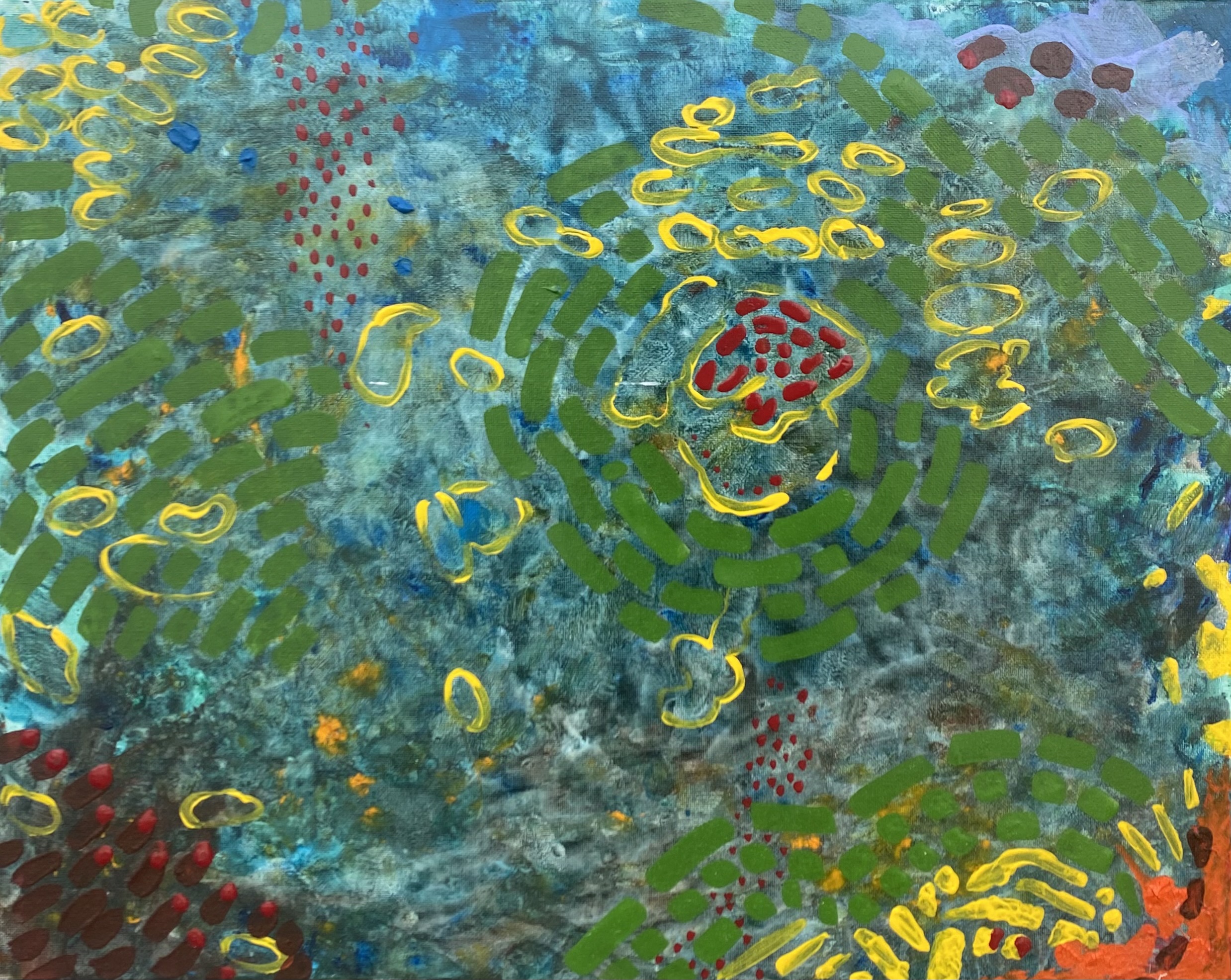
In this collection, each work is paired with a prompt for the viewer to consider and, or discuss, as well as a brief bibliography of materials related to the topic which the artist was digesting during the creation of each painting. In this way the viewer is not only immersed in the artist’s process, but also invited to take part and draw their own conclusions.


Bibliography
Each item below (prompt with references) is correlated to the painting whose number matches, in order of appearance above. Consider/ discuss..
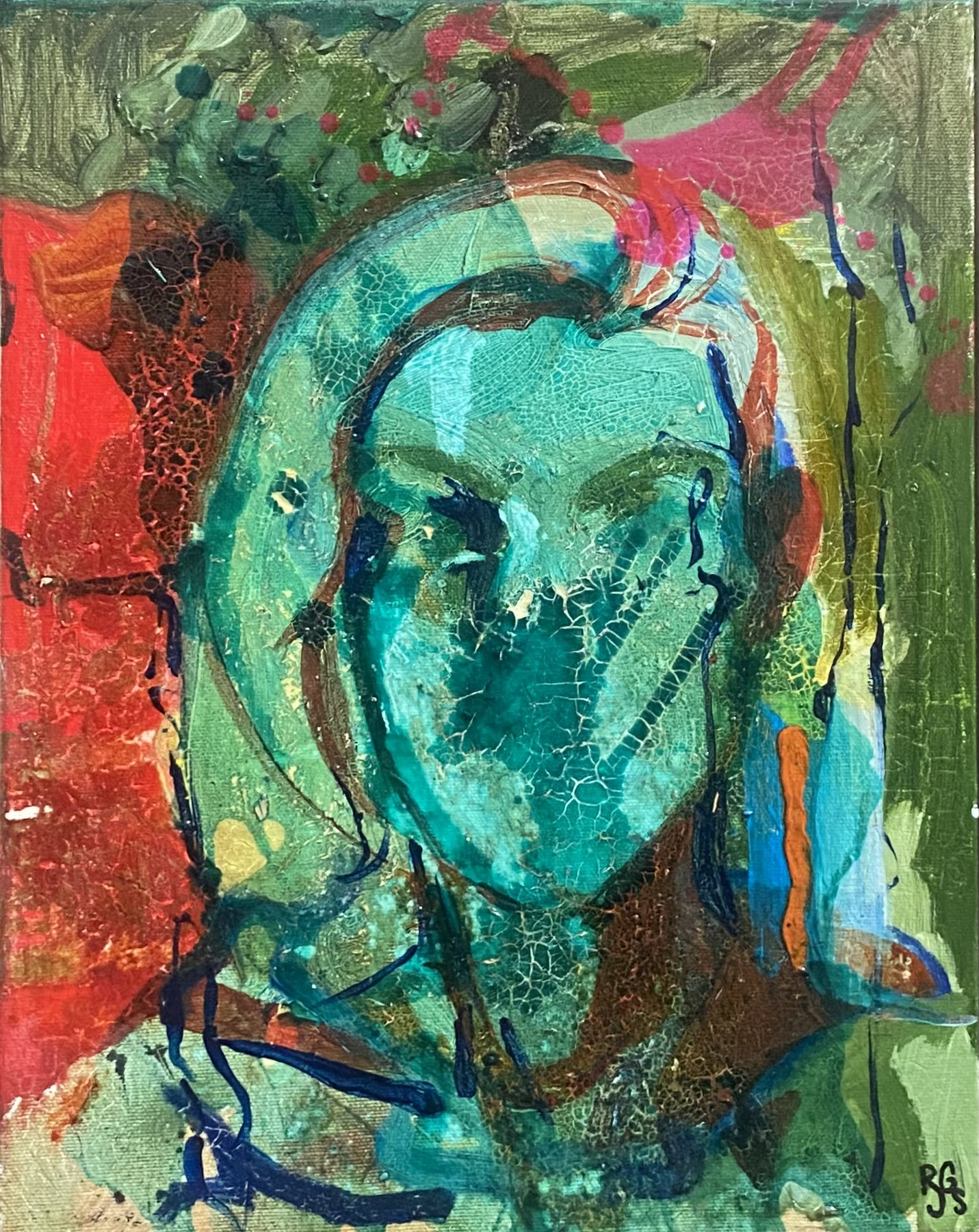
1.
.. the various layers of your identity and who/ where they come from.
Gwendolyn, I. (2022, August 31). 4: I am papier-mâchéd pieces of people that love me. Threadings. https://ismatu.substack.com/p/i-am-papier-mached-pieces-of-people
[Sold to the Aldrich Collection]
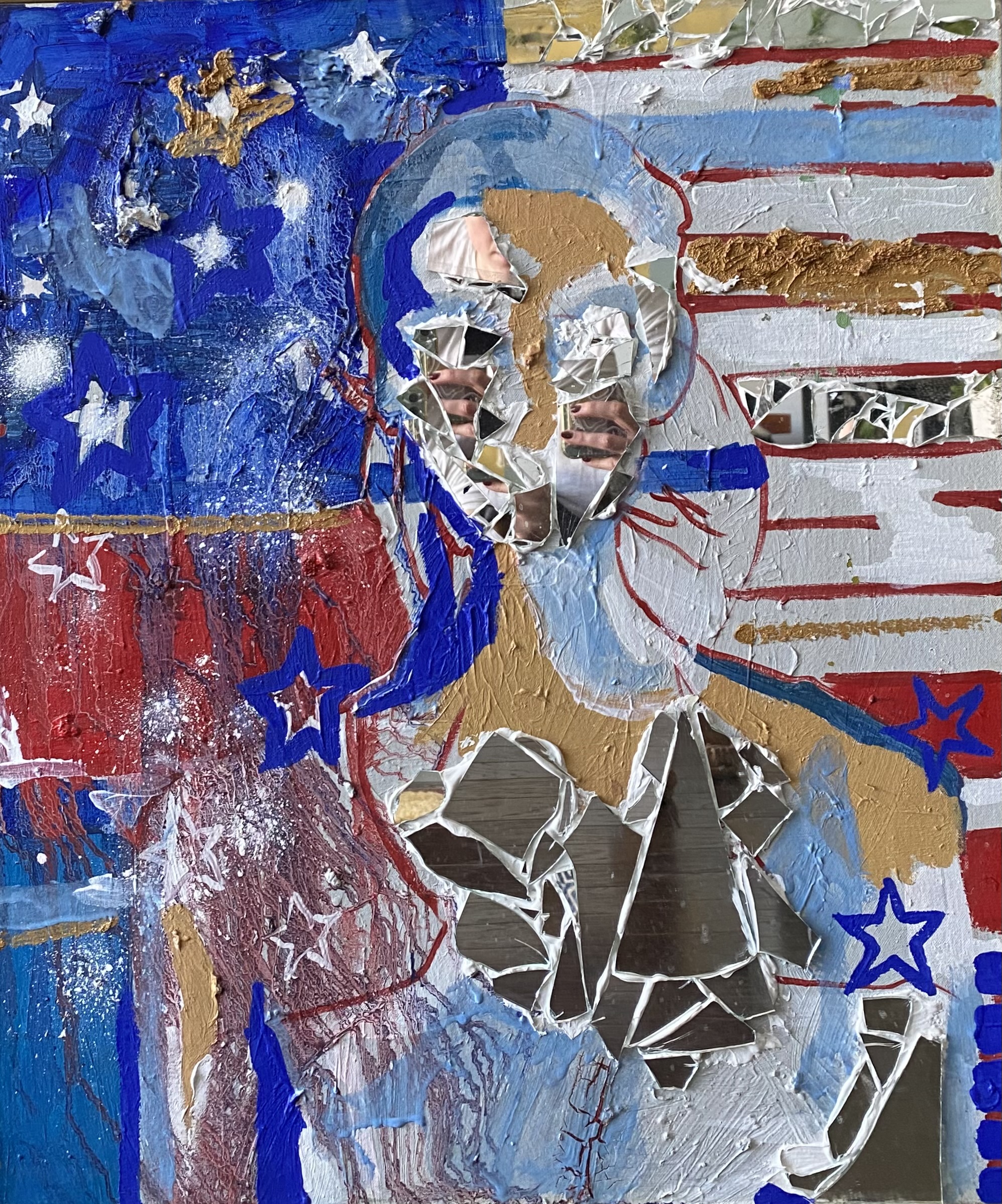
2.
.. your various national and geographic identities and what they mean to you.
Comas-Díaz, L., & Brown, L. S. (2016). Multicultural theories.
Li, Q. The Exploration of Cultural Transference and Countertransference in the Therapeutic Relationship. A Vision for the IACAT Journal, 2.
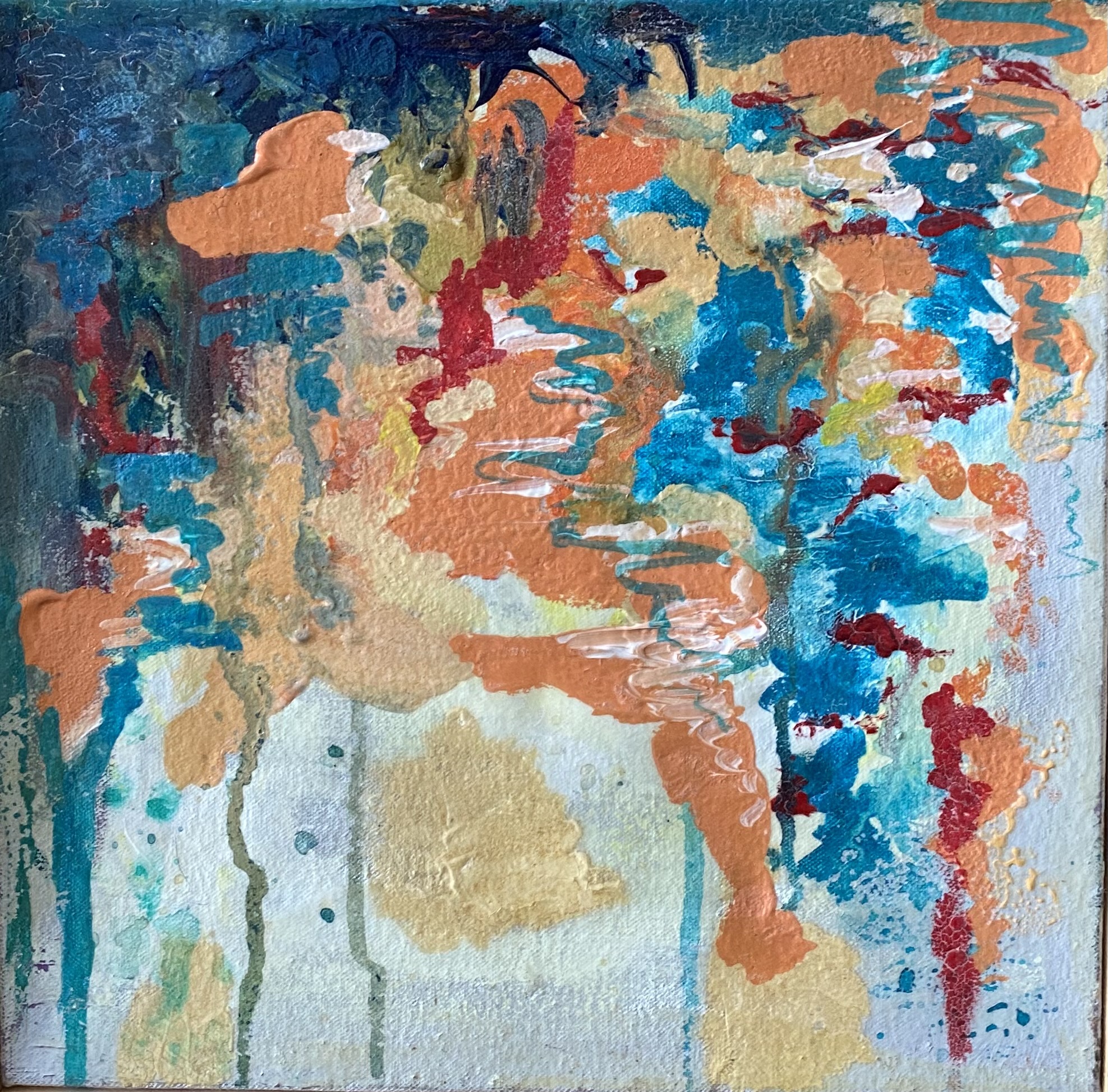
3.
.. the atmosphere of your internal world (what is the color scheme? the nature of the light? what does it sound like?)
[Warm daylight filtering softly through evergreens onto a ferned forest floor/ bird song/ what if I had been born a bird? / a grazing deer?]
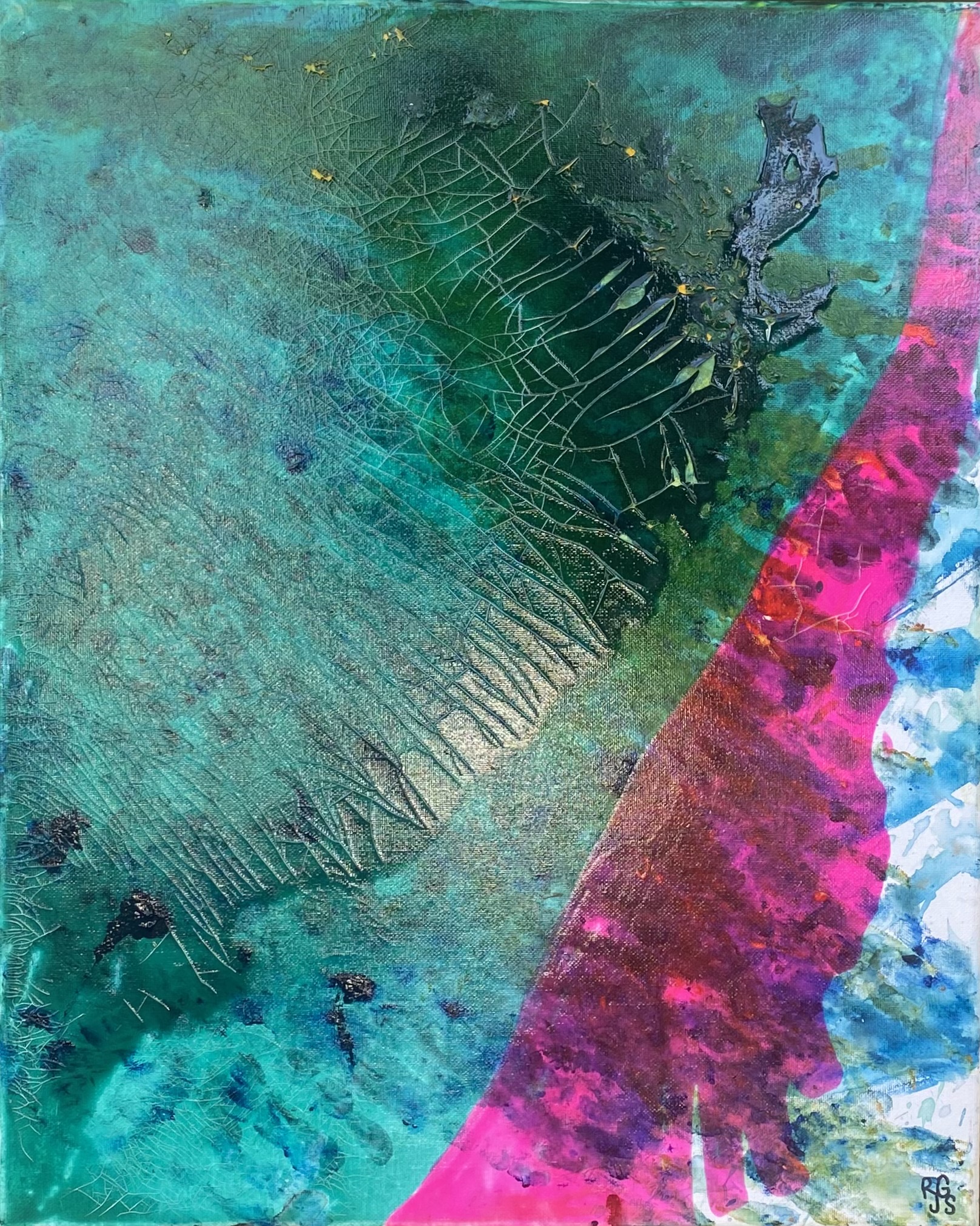
4.
.. the ocean, spirituality, divinity, femininity OR how you define a social construct.
Oyěwùmí, O. (1997). The invention of women: Making an African sense of western gender discourses. U of Minnesota Press.
[Sold to the Wallack Collection]
5.
.. the distortions through which we see ourselves, that we can never truly witness ourselves objectively, and body dysmorphorphia.
Chernin, K. (2009). The Obsession: Reflections on the Tyranny of Slenderness.
6.
.. the cultures buried under our cities.
Amato, C. A. (2002). Digging sacred ground: Burial site disturbances and the loss of New York’s Native American heritage. Colum. J. Envtl. L., 27, 1.
Blakey, M. L. (1998). The New York African Burial Ground Project: An examination of enslaved lives, a construction of ancestral ties. Transforming anthropology, 7(1), 53-58.
7.
.. whether the average voter in America is more radical or moderate.
Santos, L. A., Voelkel, J. G., Willer, R., & Zaki, J. (2022). Belief in the utility of cross-partisan empathy reduces partisan animosity and facilitates political persuasion. Psychological Science, 33(9), 1557-1573
8.
.. whether the average person is inherently selfish, generous, or neutral.
Zaki, J., & Mitchell, J. P. (2013). Intuitive prosociality. Current Directions in Psychological Science, 22(6), 466-470.
9.
.. the various hierarchies in your life (at work, at home, in society) OR who you consider above or below you and why.
Kafashan, S., Sparks, A., Griskevicius, V., & Barclay, P. (2014). Prosocial behavior and social status. The psychology of social status, 139-158.
10.
.. The Hudson River School Painters and what New York State looked like before colonization.
Burroughs, B. (1917). The Hudson River School of Painters. The Metropolitan Museum of Art Bulletin, 12(10), 3-11.
11.
.. who owns the means of production for the various items we carry and where the materials they’re made from are sourced.
Cohen, G. A. (2017). Self-ownership, world-ownership, and equality. In Distributive Justice (pp. 83-110). Routledge.
Bridge, G. (2018). Exploiting: power, colonialism and resource economies. In Companion Encyclopedia of Geography (pp. 861-881). Routledge.
12.
.. what you see OR the validity of the Rorschach test.
Parker, K. (1983). A meta-analysis of the reliability and validity of the Rorschach. Journal of Personality Assessment, 47(3), 227-231.
13.
.. all the various versions of yourself that have existed and passed.
McAdams, D. P., & Olson, B. D. (2010). Personality development: Continuity and change over the life course. Annual review of psychology, 61(1), 517-542.
14.
.. what you see and how you feel.
Lorde, A. (2016). Uses of the Erotic: the Erotic as Power. Women in Culture: An Intersectional Anthology for Gender and Women’s Studies, 205.
15.
.. the commonalities between quantum physics, constructivism, and the algorithm.
Kak, S. (2009). The universe, quantum physics, and consciousness. Journal of Cosmology, 3, 500-510.
Fosnot, C. T. (2013). Constructivism: Theory, perspectives, and practice. Teachers College Press.
Beer, D. (2019). The social power of algorithms. In The Social Power of Algorithms (pp. 1-13). Routledge.
[Sold to the Yaple Collection]
 rjgs
rjgs 